Nyhed
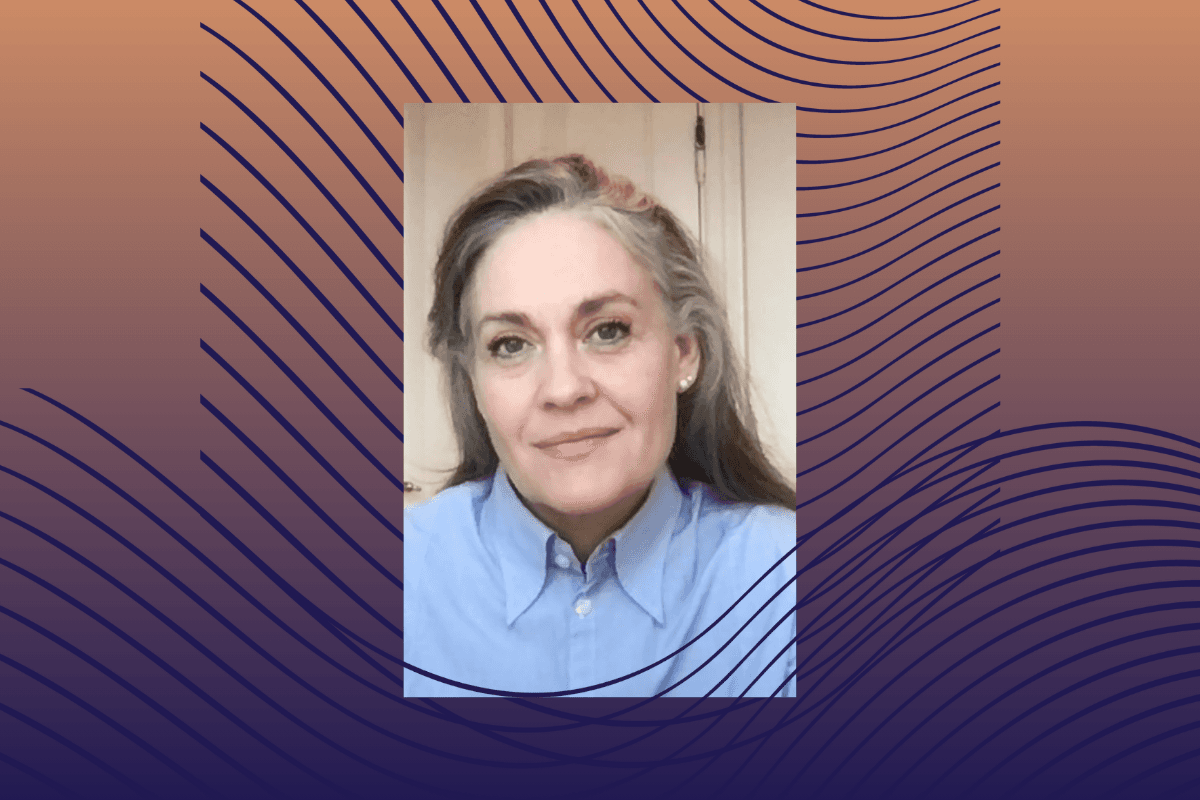
Marie Østergaard Møller receives grant from the Rockwool Foundation
Lagt online: 28.11.2025
Nyhed
Marie Østergaard Møller receives grant from the Rockwool Foundation
Lagt online: 28.11.2025
Marie Østergaard Møller receives grant from the Rockwool Foundation
Nyhed
Lagt online: 28.11.2025
Nyhed
Lagt online: 28.11.2025
By Lasse Brandt Fredsager, AAU Communication and Public Affairs
Associate Professor Marie Østergaard Møller from the Department of Politics and Society has received a grant of DKK 5.2 million from the Rockwool Foundation. The grant will fund a research project examining how organisational models and forms of collaboration influence the quality and coherence of services for vulnerable children and families within the Danish welfare state. The project runs from August 2026 to August 2029 and is carried out in collaboration with an advisory board comprising researchers and practitioners from Denmark and abroad.
The project addresses a central challenge for the social sustainability of the welfare state: ensuring that services for children and families are both effective and coherent across administrative boundaries. While municipalities are currently experimenting with how best to divide tasks between family practitioners and social workers, the project investigates how this distribution of responsibility affects frontline staff in their provision of family support, and thereby citizens’ direct encounters with the system.
A key element of the project is to understand which organisational models create better outcomes for families, both in terms of the quality of the services they receive and the broader legitimacy of the political-administrative system. Citizens’ experiences in their interactions with municipal staff can strengthen or weaken their trust in public institutions, and because most welfare services in Denmark are delivered by municipalities, these local forms of cooperation have the potential to influence service provision across multiple policy areas.
Well-functioning collaboration between authority and service roles can strengthen staff motivation, professional responsibility and capacity to act, increase families’ engagement in support programmes, and improve their overall experience of the help they receive. Conversely, fragmented or unclear divisions of responsibility may reduce trust, weaken engagement, and lead to poorer outcomes. The project therefore aims to provide empirical knowledge about how organisational decisions, often understood as technical or managerial, in practice have significant consequences for people’s lives.
For policymakers and administrators, the project’s findings will support evidence-based decisions on resource allocation, internal guidelines, and models of organisational cooperation. In this way, the project offers timely and action-oriented insights into how internal collaboration at the frontline can contribute to long-term social cohesion and effective care, two crucial pillars of a robust and sustainable welfare state.